What is homogenisation and is it important in the creation of cosmetics?

Homogenisation plays a key role in many industries, including food, pharmaceuticals and cosmetics. It makes it possible to achieve uniform product consistency. In this article, we take a closer look at the essence of this process, discuss the technologies and equipment used and highlight the benefits it brings, especially for cosmetics production. You will delve into the impact of homogenisation on the bioavailability of cosmetic ingredients and understand why it is indispensable [...]
What are the best cosmetic formulas for winter?
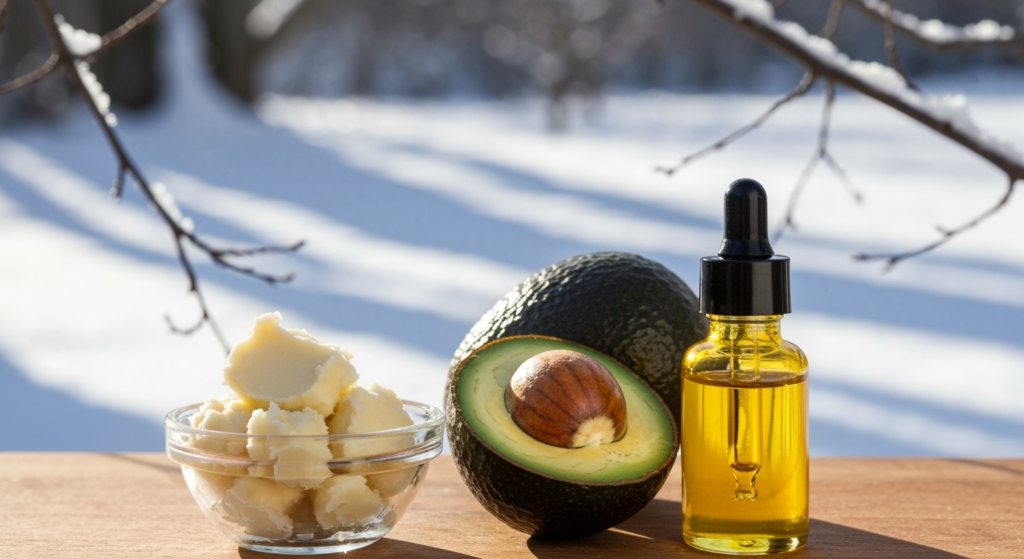
In winter, our skin needs special care, so choosing the right cosmetics is crucial. In this article, we outline why winter creams are important, what ingredients they should contain and how to match them to different skin types. You will also learn about the benefits of using protective creams. In addition, we look at the role of ceramides, fatty acids and the importance of vegetable oils and shea butter in skin care. [...]
What is PDRN and why is it used in cosmetic formulations?
PDRN, or polydoxyribonucleotide, is an innovative ingredient that is gaining increasing recognition in the cosmetic industry. Its main strengths are its regenerative ability and anti-inflammatory properties. PDRN promotes skin recovery by stimulating collagen and elastin production and significantly improves skin hydration and elasticity. With cosmetics containing PDRN, you will notice clear results. In addition, you will learn how to introduce [...].
Silicones D4, D5 D6, in cosmetics - new regulations and deadlines
The cosmetics world is undergoing a real revolution when it comes to silicones. If you're wondering why some of your favourite products are disappearing from the shelves or changing their ingredients, it probably has to do with new EU regulations on three specific silicones: D4, D5 and D6. In this article, we explain what these complicated names are actually about and why the EU has decided [...]
Safety Gate, all about product safety
Safety Gate - what is it? Safety Gate (formerly RAPEX) is a European system for the rapid exchange of information on dangerous products that may pose a risk to the health or life of consumers. This mechanism operates within the structures of the European Union and covers, among others, cosmetic products, toys, electronic devices, textiles and many other categories. The safety gate is primarily a tool for [...].
INCI dictionary of common names for cosmetic ingredients - how to read the labels on packaging?

INCI cosmetic ingredient dictionary Every cosmetic product on the market must have a precise composition. This information is provided according to an international convention known as INCI - International Nomenclature of Cosmetic Ingredients. The INCI cosmetic ingredient dictionary is a structured list of ingredient names that facilitates their identification by both consumers and professionals. In the composition of a cosmetic product, you can find [...].
Placing cosmetics on the UK market - manufacturers' and importers' obligations
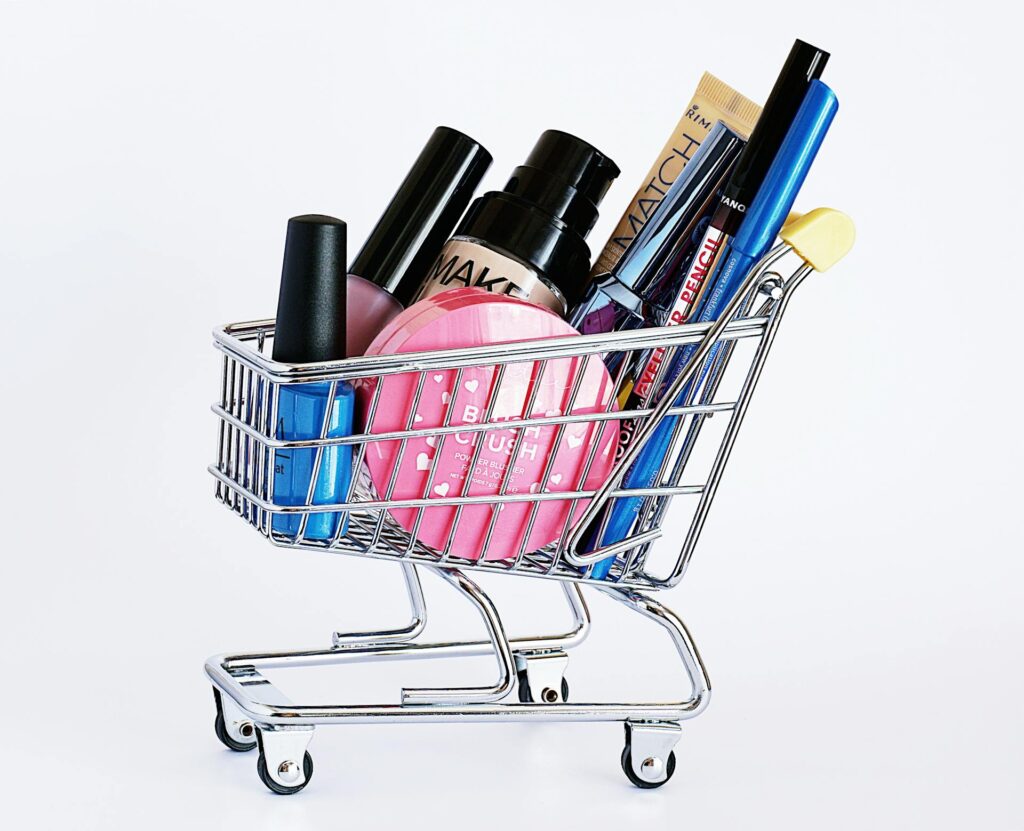
How to market a cosmetic in the UK after brexit? Legal changes following the UK's exit from the European Union have forced manufacturers and importers to adapt to separate regulations. Marketing cosmetics in the UK market today requires knowledge of local regulations, documentation and the appointment of a responsible UK-based entity. All cosmetic products placed on the market [...]
Greenwashing in cosmetics - how to spot misleading marketing?

Greenwashing is a strategy that involves ostensibly presenting a product as organic, natural or environmentally friendly, even though this is not reflected in the actual formulation or production process. In the cosmetics industry, this phenomenon is becoming particularly prominent, with consumers increasingly opting for products labelled as 'bio', 'vegan' or 'eco', and some companies trying to capitalise on these expectations [...]
Filters used in sunscreen products

Each UV filter works in its own way, but they all have one basic task - to protect the skin from harmful radiation. The choice between a physical, chemical or organic filter affects not only the effectiveness of the product, but also its stability, safety and compliance with current legislation. The type of filter used may also determine the need for additional labelling on [...]
Allergen labelling on the label of cosmetic products

The obligation to label allergens in cosmetics stems directly from the law and applies to any manufacturer who introduces a product containing certain fragrances. Omitting this information on the label can result in serious consequences - both legally and in terms of image. In this article, we discuss how to correctly identify allergens, when they should be declared and what is currently covered in the list of substances requiring [...]
 English
  Polish