Placing cosmetics on the UK market - manufacturers' and importers' obligations
How to market a cosmetic in the UK after brexit? Legal changes following the UK's exit from the European Union have forced manufacturers and importers to adapt to separate regulations. Marketing cosmetics in the UK market today requires knowledge of local regulations, documentation and the appointment of a responsible UK-based entity. All cosmetic products placed on the market [...]
Read moreGreenwashing in cosmetics - how to spot misleading marketing?

Greenwashing is a strategy that involves ostensibly presenting a product as organic, natural or environmentally friendly, even though this is not reflected in the actual formulation or production process. In the cosmetics industry, this phenomenon is becoming particularly prominent, with consumers increasingly opting for products labelled as 'bio', 'vegan' or 'eco', and some companies trying to capitalise on these expectations [...]
Read moreFilters used in sunscreen products

Each UV filter works in its own way, but they all have one basic task - to protect the skin from harmful radiation. The choice between a physical, chemical or organic filter affects not only the effectiveness of the product, but also its stability, safety and compliance with current legislation. The type of filter used may also determine the need for additional labelling on [...]
Read moreAllergen labelling on the label of cosmetic products

The obligation to label allergens in cosmetics stems directly from the law and applies to any manufacturer who introduces a product containing certain fragrances. Omitting this information on the label can result in serious consequences - both legally and in terms of image. In this article, we discuss how to correctly identify allergens, when they should be declared and what is currently covered in the list of substances requiring [...]
Read moreStandard 16128 - Calculation of naturalness for cosmetics
Consumer awareness is growing, and with it the popularity of cosmetics described as natural. However, the word 'natural' itself is not unambiguous and is often interpreted in different ways. This is why ISO 16128 was created to assess the naturalness of cosmetic ingredients and finished cosmetic products. It was created to provide a consistent, transparent and standardised approach to the declaration of 'naturalness' and 'natural origin'. [...]
Read moreIFRA - safe fragrances in cosmetics
The world of fragrances in cosmetics is fascinating, but at the same time requires great responsibility. A fragrance that pleases the senses must be safe for the health of the user. This is what IFRA, an organisation that develops safety standards for fragrances used in cosmetics, perfumes and other personal care products, among others, does. What is IFRA and why do its standards matter? IFRA (International Fragrance [...].
Read moreWhite label in the beauty industry - what is it and what opportunities does it offer?
The cosmetics industry is growing rapidly and companies are looking for different strategies to establish themselves in the market. One popular business model is white labelling, i.e. the production of cosmetics by one manufacturer, who then makes them available to other companies to sell under their own brand. This solution offers many benefits, but also comes with some challenges. What is white [...]
Read moreKojic acid in cosmetics - new regulations

Kojic acid is a popular ingredient used in cosmetics for its brightening and anti-ageing properties. It is particularly valued in skin whitening and hyperpigmentation-reducing products. However, there have recently been new regulations regarding its use, which may affect the cosmetic market. Properties of kojic acid Kojic acid is a natural chemical compound derived from the fermentation [...]
Read moreShelf life labelling on cosmetics - what is worth knowing?
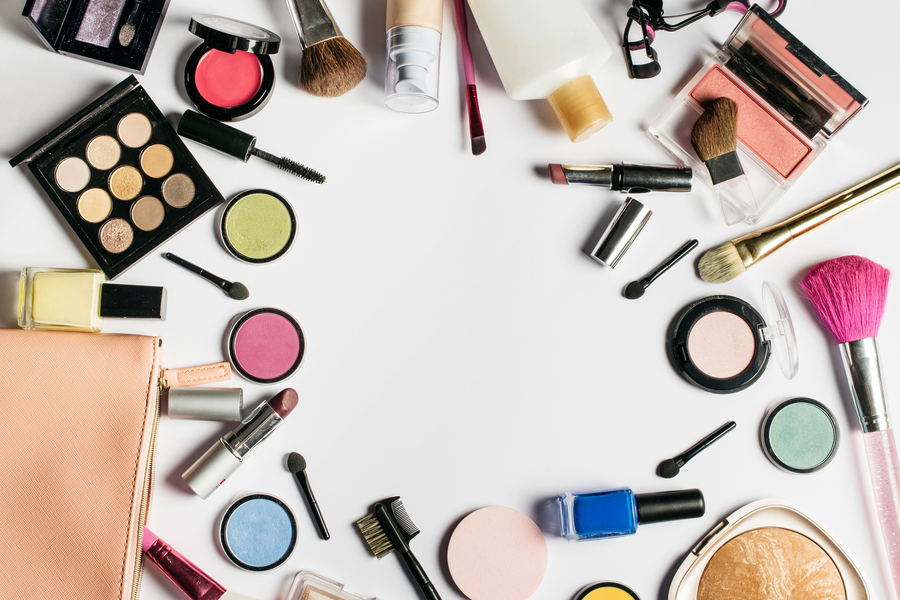
Shelf life labelling on cosmetics is a key piece of information for consumers, helping them to use skincare and make-up products safely. Manufacturers are obliged to provide shelf life information in accordance with cosmetic legislation to protect the health of users. How is the shelf life of cosmetics indicated? Two types of labelling are used depending on the shelf life of the product: Date [...]
Read moreBiodegradability in cosmetics - what does it really mean and how to test it?
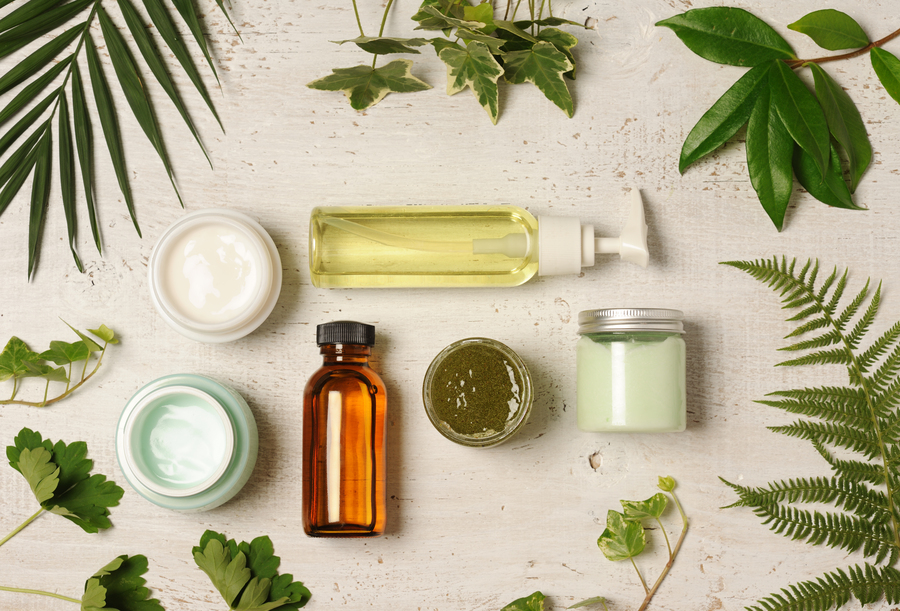
Biodegradability in cosmetics is no longer just a marketing argument. It is now becoming a real criterion for assessing the environmental impact of a product. Manufacturers and consumers are increasingly interested in what happens to a cosmetic after use - do the ingredients decompose safely? Do they remain in the water, the soil, the food chain? Formulation laboratories such as MPR [...].
Read more English
  Polish